
I Purchased an Electric Car. Now What? A New EV Owner's Guide to Charging, Range, and Confidence
Purchasing our 2022 Kia EV6 was a mix of excitement and uncertainty.
On the 40-mile drive home from the dealership, I was enjoying the new car smell while trying to learn the controls and understand what life with an electric vehicle would actually be like. Every few minutes, I glanced at the battery gauge, worried that I might somehow run out of power before reaching home.
Looking back, that fear seems a little irrational. The battery had plenty of charge remaining. But like many first-time EV owners, I wasn't worried about driving the car. I was worried about everything I didn't know yet.
How would I recharge it?
How long would charging take?
Could I take it on longer trips?
Would cold weather leave me stranded?
Over the next few months, I learned the answers to those questions. More importantly, I learned that owning an electric vehicle is much easier than I expected.
If you've recently purchased an EV, here's what helped me move from uncertainty to confidence.
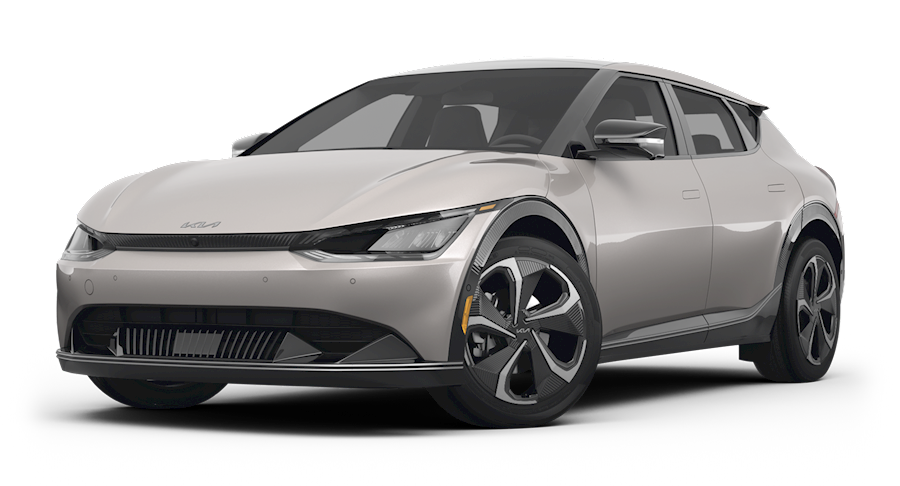
5 Steps to Loving Your New Electric Vehicle
The fastest way to become comfortable with an electric vehicle is to start using it.
Focus on these five fundamentals:
Learn how you'll charge at home.
Become familiar with public charging stations.
Develop efficient driving habits.
Understand how weather affects performance.
Gradually increase your travel distance.
These skills build on each other. As your familiarity grows, you'll spend less time watching the battery gauge and more time enjoying the drive.
Time to Regen: SightSeeEV.com may earn a small commission if you buy through Amazon or other affiliate links—at no extra cost to you. We only recommend products we trust and use ourselves. Thanks for helping fuel our EV adventures!⚡️
Learning How to Charge
When I arrived home with our EV6, I immediately started thinking about how I would recharge the battery.
That concern disappeared once I understood the different charging options available.
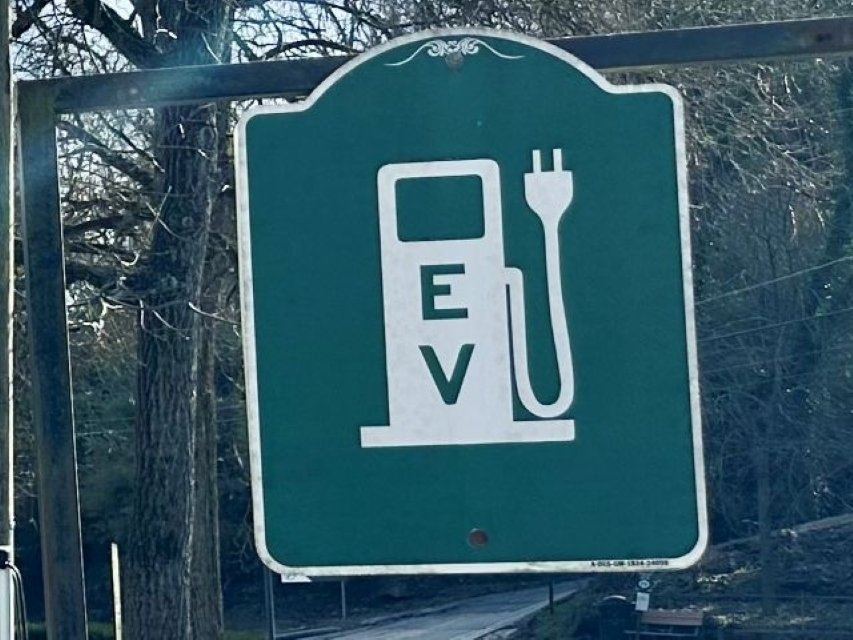
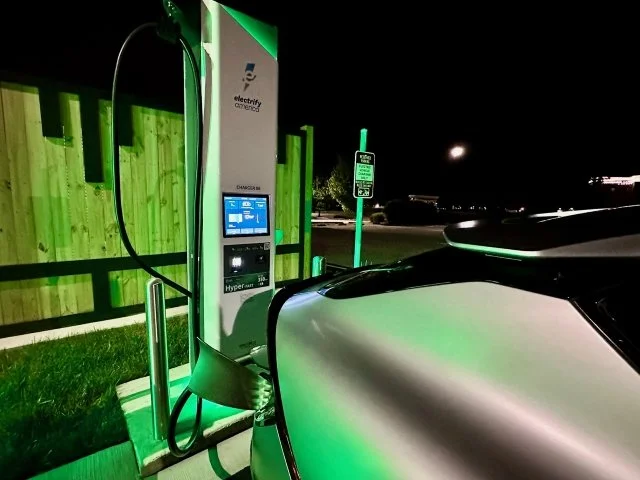
Public EV charging stations are becoming increasingly common across the United States, making it easier for new electric vehicle owners to travel with confidence.
Level 1 Charging
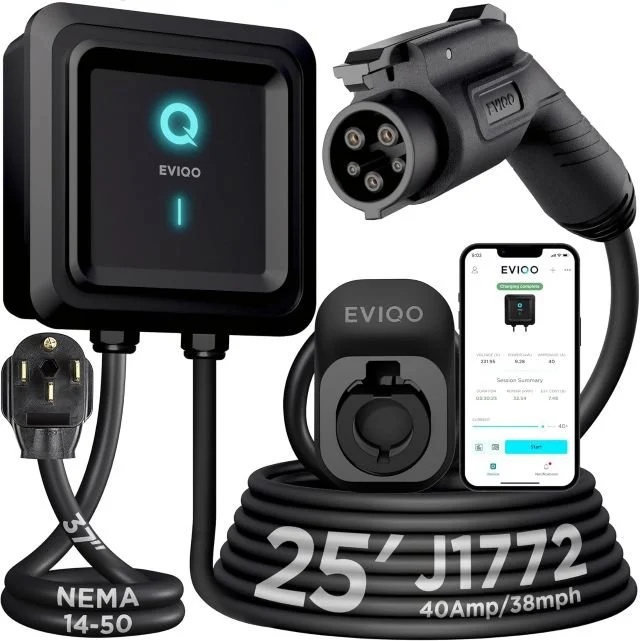
Most electric vehicles include a Level 1 charging cord that plugs into a standard household outlet.
Level 1 charging is slow, but it still has practical uses:
Charging overnight for short daily commutes
Visiting friends and family
Emergency backup charging
I carry a Level 1 charger in the EV6, but I rarely need it. It's there for peace of mind more than anything else.
Level 2 Charging
For most EV owners, Level 2 charging becomes the primary charging solution.
Level 2 chargers are commonly found at:
Homes
Hotels
Restaurants
Museums
Public parking lots
Many owners install a Level 2 charger at home and simply recharge overnight. It quickly becomes part of a normal routine, similar to charging a phone before bed.
DC Fast Charging
DC Fast Chargers are what make long-distance EV travel practical.
These are the chargers I rely on during road trips. Depending on the charger and vehicle, significant range can be added during a short stop.
Once I understood the differences between these charging options, one of my biggest concerns about EV ownership disappeared.
Getting Comfortable with Public Charging
Public charging seemed intimidating before I actually used it.
The reality was much simpler.

Many public charging providers offer RFID cards that simplify the charging process and provide a reliable backup when mobile apps are unavailable.
Before my first drive to St. Louis, I used PlugShare to locate charging stations along the route, read recent check-ins, and identify a backup option if needed. I also created an account with the charging network before leaving home.
That small amount of preparation removed most of the uncertainty.
If you're a new EV owner, don't wait until a major trip to try public charging. Find a station close to home and complete a charging session before you actually need one.
The process becomes familiar very quickly.
After a few charging sessions, I stopped thinking of public chargers as something unusual. They simply became another part of traveling.
Amp’d Advice: Looking to spend less time charging and more time exploring?
Check out our EV road trip charging strategy guide to learn how shorter, well-planned charging stops can lead to faster trips.
Driving Efficiently
One of the best things about electric vehicles is the instant acceleration.
One of the first things I learned, however, was that driving style has a direct effect on efficiency.
When I first purchased the EV6, I enjoyed demonstrating its acceleration whenever I had the opportunity. It was fun, but it wasn't particularly efficient.
Over time, I discovered that smoother driving produced noticeably better results.

Each road trip expanded our comfort zone. By the time we reached Douglas Pass on Colorado's Dinosaur Diamond Highway, the range anxiety from our first weeks of EV ownership had long disappeared.
A few habits helped:
Gradual acceleration
Consistent highway speeds
Anticipating traffic conditions
Using regenerative braking effectively
Letting the vehicle maintain momentum whenever possible
I also learned how regenerative braking worked. Instead of wasting energy during deceleration, the vehicle recaptures some of it and sends it back to the battery.
Our EV6 uses automatic regenerative braking, and I've found it strikes a good balance between efficiency and comfort.
The goal isn't to squeeze every last mile from the battery. It's simply understanding how your driving habits affect energy consumption so there are fewer surprises during longer trips.
Amp’d Advice: In our EV6, I typically use the automatic regeneration setting, which allows the vehicle to adjust energy recovery based on driving conditions. Many EVs also offer one-pedal driving, a feature that can improve efficiency while reducing wear on the brake pads.
The good news is that you don't have to chase maximum efficiency on every drive. Enjoy the quick acceleration and performance when the mood strikes. Just keep in mind that frequent hard acceleration uses more energy and will reduce your overall driving range.
As with any vehicle, your driving habits play a significant role in the results you achieve.
How Weather Affects EV Range
Every vehicle reacts to changing conditions, and electric vehicles are no different.
One lesson I learned quickly was that weather deserves your attention, especially during longer drives.

Not every road trip delivers postcard-perfect weather. Learning how conditions affect your vehicle is part of becoming a confident EV traveler.
Cold temperatures reduce battery efficiency and increase energy consumption. Strong headwinds can have a similar effect.
I learned this firsthand during a winter drive when temperatures were near 5°F. The battery depleted much faster than it normally would, forcing me to slow down and pay closer attention to my remaining charge.
I made it home without any problems, but the experience taught me an important lesson: plan for actual conditions, not ideal ones.
When temperatures are extremely cold or winds are unusually strong, I now:
Leave a larger battery reserve
Expect reduced efficiency
Plan charging stops more conservatively
Pay closer attention to battery percentage
Once you experience a full year of driving, you'll develop a good understanding of how your EV performs in different seasons.
Building Confidence One Trip at a Time
The biggest change wasn't learning how to charge.
It wasn't learning about weather.
It wasn't even learning how regenerative braking worked.
The biggest change was simply gaining experience.
When I first started driving our EV6, I checked the battery constantly. It didn't matter if I was driving three miles to the grocery store or thirty-five miles to Columbia. The battery gauge always had my attention.
Eventually, patterns started to emerge.
I learned how much energy my normal trips required. I learned what battery percentage I could expect when I arrived home. Most importantly, I learned to trust the vehicle.
That's when driving became far more enjoyable.
We started taking longer day trips to nearby communities that offered public charging. Those outings gave us opportunities to practice charging, learn the car's capabilities, and expand our comfort zone.
Before long, we were making regular trips to St. Louis and Kansas City.
Seven months after purchasing the EV6, we completed our first 250-mile EV road trip.
That trip felt like a major milestone at the time.
Today, it feels routine.
Every successful journey made the next one easier.
Every EV trip starts with PlugShare to research destinations and charging options
Our mantra is simple: we design our route - because adventure shouldn’t be outsourced to a GPS.
Once we pick a destination, I dive into PlugShare for charger intel while Cheryl brings the magic by charting each stop on our paper atlas, giving us a colorful, big‑picture snapshot of the journey.
That blend of EV tech and old‑school wanderlust keeps our planning smooth, colorful, and unmistakably SightSee EV. Check out the full article to see how this combo keeps our road trips smooth and fun!
Bird’s-Eye Review: How I Learned to Stop Worrying and Love My Electric Car

What began as short local drives eventually led us to the Mackinac Bridge, proving that electric vehicles are just as capable of adventure as they are daily commuting.
Buying an electric vehicle comes with a learning curve, but most new owners eventually discover that the concerns they have during the first few weeks fade with experience.
Learn how your vehicle charges. Become familiar with the public charging networks in your area. Understand how weather affects performance and how your driving habits influence efficiency.
Then start driving.
Take local trips. Explore a nearby town. Visit a new restaurant, museum, or state park. Give yourself opportunities to learn how your EV fits into your everyday life.
Today, our Kia EV6 serves as a daily driver, road-trip vehicle, and trusted travel companion. It takes us where we want to go with far less effort than I imagined during that nervous drive home from the dealership.
It took me a few months to stop obsessing over the battery and start fully enjoying the ride.
The best way to become comfortable driving an electric vehicle isn't reading about it. It's getting behind the wheel and creating your own experiences.
Start with the destinations close to home. Then stretch your comfort zone a little farther. A neighboring town becomes a day trip. A day trip becomes a weekend getaway. Before long, you'll realize your electric vehicle can take you almost anywhere you want to go.
Every EV driver starts with that first uncertain trip. The ones who discover what's possible are the drivers who keep exploring.
So charge up, pick a destination, and hit the road. The Great American Electric Highway is waiting.
John's mission is to help readers see that electric vehicles are simply cars powered by a different energy source, capable of taking us anywhere we want to go.
His favorite way to share that message? Road-tripping along the Great American Electric Highway, where every mile offers an opportunity to visit family, reconnect with friends, and discover America's scenic beauty.
EV Basics
EV Charging

Essential Items


EV Road Trip Planning



After buying an electric car, the most important steps are learning how to charge at home, becoming familiar with public charging stations, understanding how weather affects range, improving driving efficiency, and gradually taking longer trips. These skills help new EV owners build confidence and enjoy their vehicle's full capabilities.