
EV Public Charging Etiquette
How to Be a Great Charging Neighbor
Public EV charging stations are busier than ever. As electric vehicles become more mainstream, charging etiquette is no longer just something early adopters talk about. It's become an important part of making the charging experience better for everyone.
The good news? There's no need to be intimidated.
Using public chargers simply takes a little preparation, a little patience, and a little consideration for the drivers around you. With charging infrastructure still growing and occasional reliability issues popping up, charging can sometimes feel stressful, especially if you're new to EV ownership.
Whether you're preparing for your very first charging stop or you're a seasoned road tripper looking for a refresher, these simple guidelines will help ensure a smoother experience for everyone.
After all, we're all on the same road trip.
A quick charging stop in Sault Ste. Marie, Ontario, keeps this Kia EV6 road-trip ready while showcasing the growing EV charging network across Northern Ontario.
Time to Regen: SightSeeEV.com may earn a small commission if you buy through Amazon or other affiliate links - at no extra cost to you. We only recommend products we trust and use ourselves. Thanks for helping fuel our EV adventures!⚡️
Plan Ahead and Arrive Prepared
This isn't technically a matter of etiquette, but it might be the most important tip on this list.
Until EV charging becomes as quick and widespread as filling up at a gas station, planning ahead remains essential, especially when you're road-tripping or venturing far from home.
Arriving at a charging station relaxed and confident makes it much easier to be patient and courteous with other drivers. Arriving with range anxiety and a nearly empty battery? Not so much.
A little preparation goes a long way:
Know which charging connector your vehicle uses.
Understand your EV's charging capabilities.
Download charging network apps before your trip.
Set up payment methods ahead of time.
Have a backup charging option in mind.
The more prepared you are, the smoother your charging stop will be.
Know Your EV's Charging Limits
Not every EV can take advantage of every charger.
For example, if you drive a Chevy Bolt that can DC fast charge at around 55 kW, occupying a 350 kW charger when lower-powered chargers are available may prevent another vehicle from making full use of that high-powered equipment.
Your Bolt won't charge any faster, but the driver of an EV capable of accepting 200 kW or more could see a significant difference.
Understanding your vehicle's charging limits helps everyone make better use of available infrastructure and keeps charging stations moving efficiently.
Charge What You Need, Not Necessarily to 100%
There are certainly times when charging to 100% makes sense, particularly on a long road trip. However, for most charging sessions, it isn't necessary.
Most EVs charge quickest between roughly 10% and 80%. After that point, charging speeds often slow dramatically as the battery approaches full capacity.
Take my 2022 Kia EV6, for example.
In my experience, charging from 10% to 80% takes about 18 minutes, which is just enough time for a quick restroom break and a stretch of the legs.
Getting from 80% to 100%, however, can take more than 20 additional minutes.
When charging stations are busy, consider whether you truly need that last 20% before continuing your journey. Taking only the charge you need helps keep stalls available for the next driver.
⚡ Amp'd Advice: Follow our "Charge Often, Charge Fast" road trip philosophy.
Instead of waiting for your battery to get low, plan to top up whenever you're already stopping for a meal, restroom break, or stretch. Charge only what you need to comfortably reach the next charger, then get back on the road.
Shorter, more frequent charging stops often lead to a faster and more enjoyable EV road trip experience.
When You're Done Charging, Make Space for the Next Driver
One of the quickest ways to frustrate fellow EV drivers is remaining at a charger long after your session has finished.
If your vehicle has already reached your desired state of charge, it's time to unplug and move along.
A fully charged vehicle sitting at a busy charging station prevents others from charging and can create unnecessary delays, especially during holiday travel periods or along busy road trip routes.
Many charging networks reinforce this by charging idle fees once charging has stopped.
When you're finished charging, free up the space for the next traveler and continue on your adventure.
Charging Stalls Are for EV Charging
This one should be simple.
You wouldn't pull up to a gas pump, leave your vehicle there, and head into a nearby restaurant for an hour. Parking at an EV charger without actually charging is essentially the same thing.
Charging stations are not reserved parking spaces.
If you're not actively charging, leave the stall available for someone who needs it.
Likewise, if your charging session has ended, move your vehicle as soon as reasonably possible. An open parking spot may be hard to find, but an occupied charger can be even harder.
Take Care of the Equipment
Charging equipment is shared infrastructure, and a little care goes a long way.
When you're done charging:
Return the connector to its holster.
Wrap the cable properly if required.
Avoid leaving cables stretched across walkways or parking spaces.
Report damaged equipment through the charging network's app when possible.
Dropping a connector on the pavement or leaving cables scattered around increases the likelihood of damage and creates hazards for the next person.
Treat the equipment like it's your own, because in a way, every EV driver depends on it.
Leave the Station Better Than You Found It
Public charging stations are often where curious newcomers have their first exposure to EV ownership.
Let's make that impression a good one.
Throw away your trash. Pick up after yourself. Return shopping carts when applicable. If something doesn't belong at the charging station, don't leave it there for someone else to deal with.
While leaving every charging stop cleaner than you found it may not always be possible, at the very least, don't leave it worse.
A clean, welcoming charging station benefits the entire EV community.
Help Fellow EV Drivers When You Can
One of the best parts of EV ownership is the community.
If you see someone struggling with a charger, a payment app, or a charging network they've never used before, consider offering assistance.
Most EV owners are driving their first electric vehicle. Charging connectors, apps, payment systems, and network quirks can feel overwhelming when you're learning.
Remember, you were new once too.
You don't need to be an expert to be helpful. Sometimes a simple tip, a quick explanation, or even a reassuring conversation can turn a stressful charging stop into a positive experience.
And since you're likely spending a few minutes at the station anyway, why not use that time to help a fellow traveler?
Every EV trip starts with PlugShare to research destinations and charging options
Our mantra is simple: we design our route - because adventure shouldn’t be outsourced to a GPS.
Once we pick a destination, I dive into PlugShare for charger intel while Cheryl brings the magic by charting each stop on our paper atlas, giving us a colorful, big‑picture snapshot of the journey.
That blend of EV tech and old‑school wanderlust keeps our planning smooth, colorful, and unmistakably SightSee EV. Check out the full article to see how this combo keeps our road trips smooth and fun!
Bird’s-Eye Review: The Bottom Line
EV public charging etiquette isn't about enforcing rules or judging other drivers. It's about sharing limited infrastructure with respect and consideration.
A little planning, a little patience, and a little kindness can make charging easier for everyone.
So the next time you pull into a charging station, remember: charge what you need, take care of the equipment, move on when you're done, and look out for your fellow EV drivers.
Because at the end of the day, we're all just trying to get a little farther down the road. ⚡🚗
EV Basics
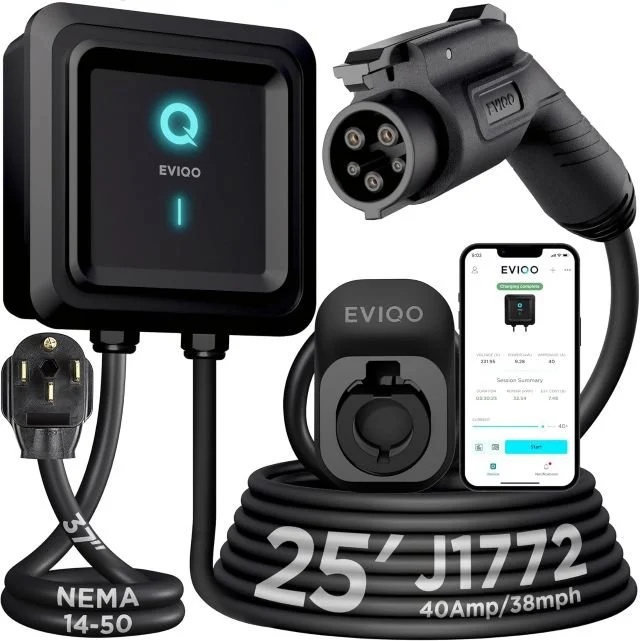

EV Charging


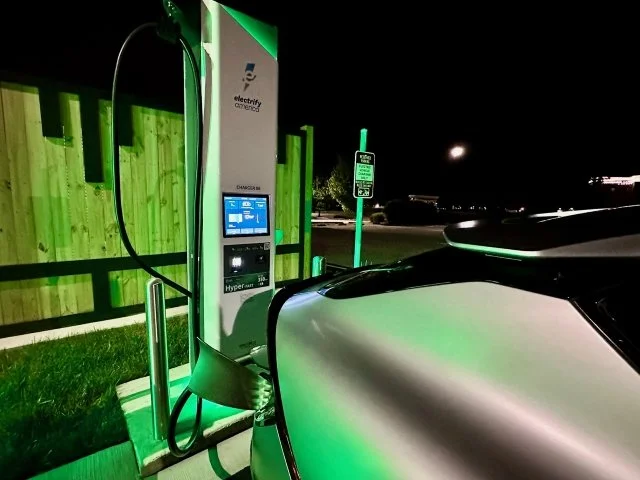
Essential Items


EV Road Trip Planning



After buying an electric car, the most important steps are learning how to charge at home, becoming familiar with public charging stations, understanding how weather affects range, improving driving efficiency, and gradually taking longer trips. These skills help new EV owners build confidence and enjoy their vehicle's full capabilities.