
EV Road Trip to George Washington Carver National Monument
History Meets Nature in Missouri
Not every great road trip stop is a national park. Just outside Diamond, Missouri, George Washington Carver National Monument combines American history, scenic walking trails, and the story of a man whose work helped reshape agricultural education and farming practices across the South.
Long before earning national recognition, Carver explored the woods, creeks, and meadows surrounding the family farm. That early curiosity about the natural world would shape a career that left a lasting mark on agriculture and education.
Why Visit?
George Washington Carver National Monument offers a quiet escape from the highway. Visitors can explore hardwood forests, native prairie, picnic areas, and a one-mile nature trail that follows the landscape Carver knew as a child.
The park's most popular feature is the Carver Trail, an easy one-mile loop that winds through woods, prairie, and the site of the Moses Carver farm.
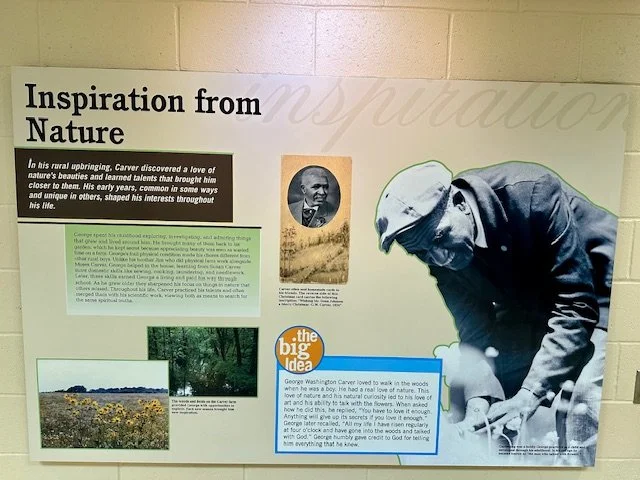
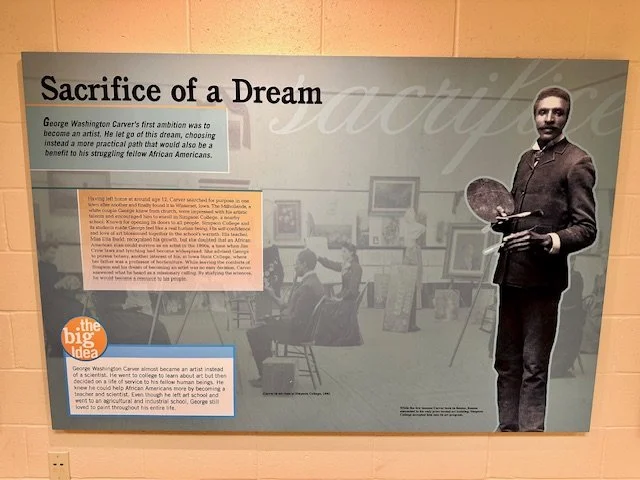
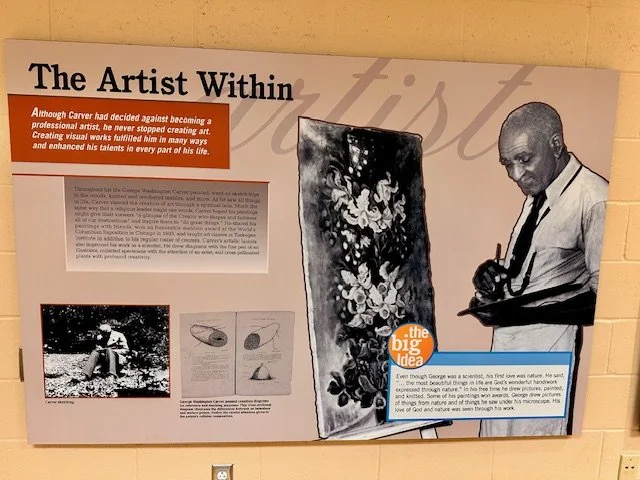

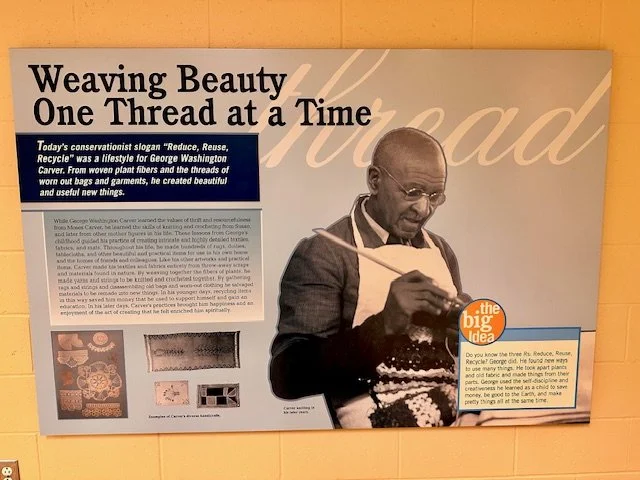
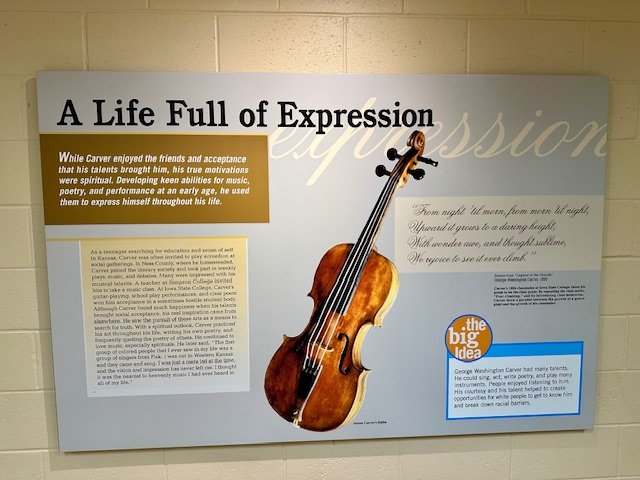
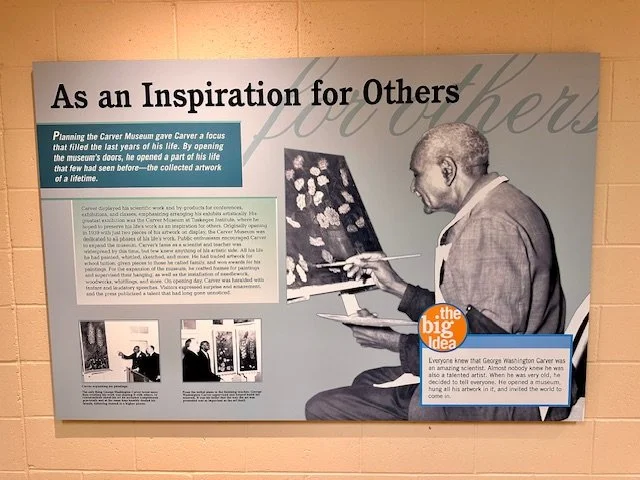
Inside the visitor center, exhibits trace Carver's journey from rural Missouri to becoming a nationally respected scientist and educator. Artifacts, photographs, and interactive displays help tell the story of a man whose work improved the lives of farmers across the country.
Whether you're interested in history, science, or simply looking for a relaxing stop on a road trip, the monument is well worth the visit.
Time to Regen: SightSeeEV.com may earn a small commission if you buy through Amazon or other affiliate links, at no extra cost to you. We only recommend products we trust and use ourselves. Thanks for helping fuel our EV adventures!⚡️
EV Travel Information
Traveling by EV to the monument is straightforward.
Joplin, Missouri, roughly 15 miles from the monument, offers several DC fast-charging options, including stations at Pilot Flying J and other locations throughout the city. It's a convenient charging stop for travelers along Interstate 44 and throughout southwest Missouri.
The growing charging network across Missouri, northwest Arkansas, eastern Oklahoma, and southeast Kansas makes it easy to include the monument on a larger EV adventure.
Want to extend your trip? Consider adding:
Springfield, Missouri
Fayetteville, Arkansas
Each is within comfortable driving distance and offers its own mix of attractions, dining, and outdoor recreation.
Amp’d Advice: Look for Level 2 chargers at public destinations like museums (unfortunately not at the Carver National Monument), botanical gardens, zoos, and sports venues. These spots offer a convenient way to add charge while you enjoy the activities. Read more here.
Carver’s Journey: Missouri, Kansas, and Iowa
George Washington Carver's path to higher education was far from easy.
After leaving Missouri, he spent years in Kansas pursuing educational opportunities while supporting himself through a variety of jobs. He graduated from high school in Minneapolis, Kansas, and was accepted to Highland College, only to be denied admission when the school discovered he was Black.
Undeterred, Carver homesteaded in western Kansas, where his interest in plants continued to grow.
In 1890, he enrolled at Simpson College in Iowa to study art and piano. His paintings of plants and flowers impressed his instructors, who encouraged him to pursue botany and agricultural science instead.
Carver later transferred to Iowa State Agricultural College, now Iowa State University, where he earned bachelor's and master's degrees. He became the institution's first African American student and later its first African American faculty member.
A Mission of Service
In 1896, Booker T. Washington invited Carver to join Tuskegee Institute in Alabama.
For the next 47 years, Carver worked to help Southern farmers improve crop production and restore depleted soil.
At a time when cotton dominated the region, he promoted crop rotation and encouraged the planting of peanuts, sweet potatoes, soybeans, and other crops that improved soil health while creating new economic opportunities.
One of his most effective outreach efforts was the Jesup Agricultural Wagon, introduced in 1906.
The mobile classroom delivered tools, demonstrations, and practical farming guidance directly to rural communities with limited access to agricultural education.
Through research, teaching, publications, and outreach, Carver helped thousands of farmers improve their livelihoods.
Carver's national reputation grew in 1921 when he testified before Congress on behalf of American peanut growers.
By demonstrating a wide range of uses for peanuts, he highlighted the crop's economic potential and helped draw national attention to agricultural diversification. The appearance cemented his status as one of America's most recognizable agricultural scientists.
Yet his influence extended far beyond peanuts.
Throughout his career, Carver advocated for soil conservation, responsible land stewardship, and practical education. Many of the principles he promoted more than a century ago remain relevant today.
Every EV trip starts with PlugShare to research destinations and charging options
Our mantra is simple: we design our route - because adventure shouldn’t be outsourced to a GPS.
Once we pick a destination, I dive into PlugShare for charger intel while Cheryl brings the magic by charting each stop on our paper atlas, giving us a colorful, big‑picture snapshot of the journey.
That blend of EV tech and old‑school wanderlust keeps our planning smooth, colorful, and unmistakably SightSee EV. Check out the full article to see how this combo keeps our road trips smooth and fun!
Birds Eye Review: Charge Forward Like Carver: Innovation on Every Mile
George Washington Carver spent his life turning A visit to George Washington Carver National Monument is more than a history stop. It's an opportunity to learn about a man whose determination, curiosity, and commitment to education changed lives far beyond the Missouri farm where his story began.
The trails and exhibits offer a deeper understanding of Carver's journey from a young student seeking opportunity to a respected scientist whose work influenced generations of farmers across America.
One lesson from Carver's life still resonates today: never stop learning. Throughout his career, he remained curious, explored new ideas, and searched for better solutions. His story reminds us that growth often begins when we're willing to step into the unfamiliar.
For many travelers, driving an EV follows a similar path. Every EV driver remembers a first charging stop, a first road trip, and the moment confidence replaced uncertainty. What seems complicated before your first trip often feels surprisingly simple after a few charging stops. With a little knowledge and experience, charging and road-tripping become second nature.
For EV adventurers, the monument is a rewarding stop along a journey filled with history, natural beauty, and small-town discoveries. It's the kind of destination that reminds us the best road trips aren't measured by miles driven, but by the stories uncovered and lessons learned along the way.
George Washington Carver spent a lifetime learning, exploring, and sharing knowledge with others. Every road trip offers that same opportunity to discover something new, whether it's a place, a story, or a fresh perspective found along America's Great American Electric Highway.
