
Astoria, Oregon EV Travel Guide: Iconic Views, Shipwreck Beaches, and Pacific Northwest Charm
Discovering Astoria on a Two-Day EV Coastal Getaway
Astoria, Oregon had been on my travel list since the first time I watched Kindergarten Cop.
Cheesy origin story sure, but it was the misty landscapes and historic architecture that stayed with me long after the movie. As it turns out, Astoria’s real appeal has far more to do with place than pop culture.
In September 2025, we headed west on Interstate 80, setting out on a true cross‑country road trip. The scenery evolved steadily, beginning with Nebraska plains giving way to Wyoming mountain passes before easing into western Oregon’s rolling horse country.
By day four, the route followed the Columbia River toward the Pacific. Water, cliffs, and forests unfolded mile by mile, and when the coast finally appeared, it signaled both arrival and a much‑needed pause after days on the road.
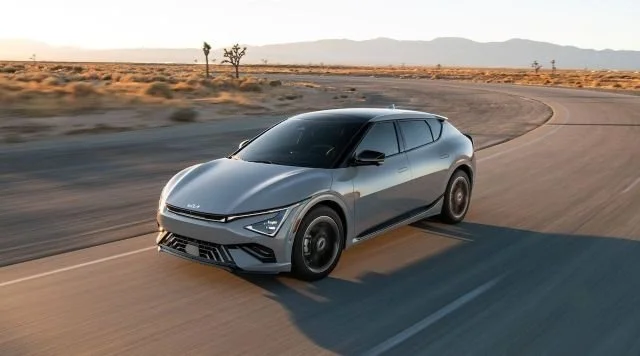
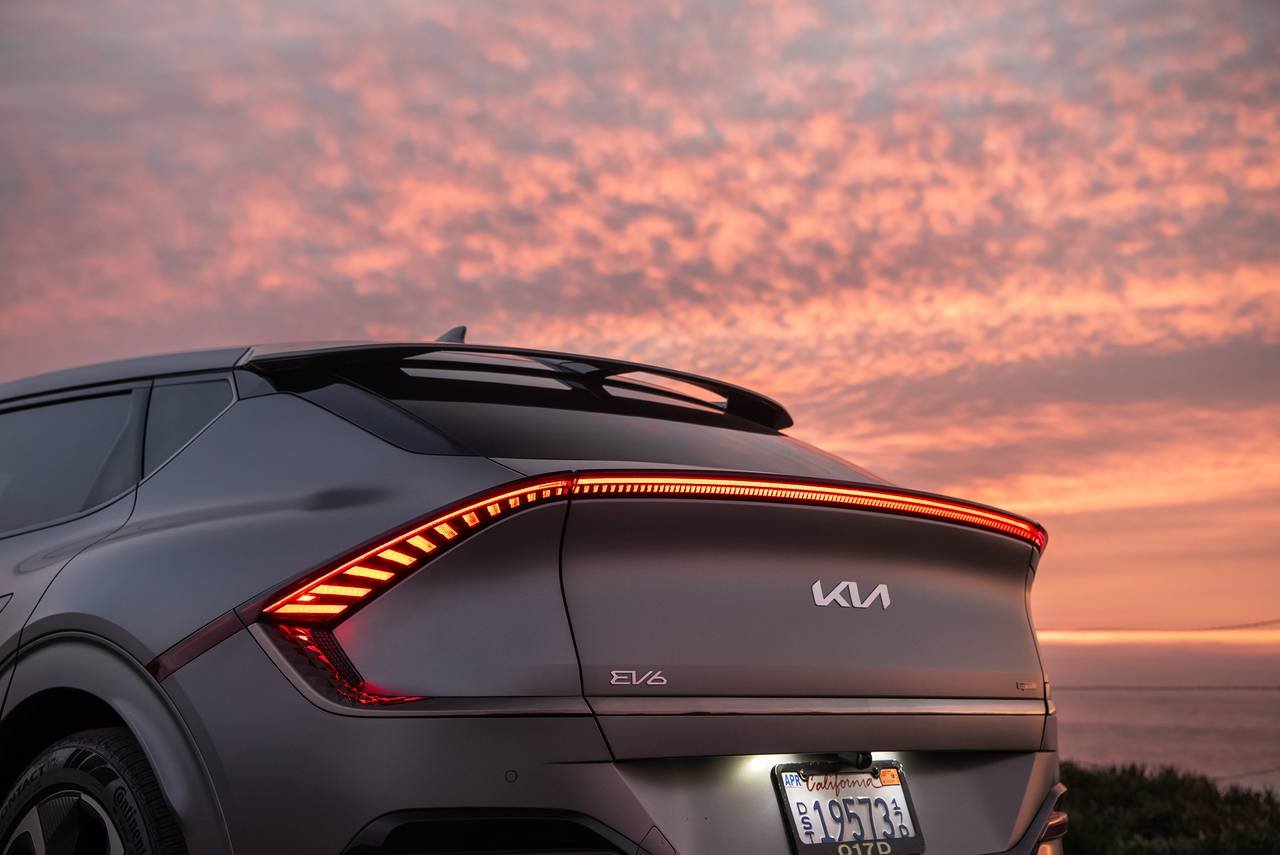
Our Kia EV6 handled the electric journey effortlessly. Reliable charging along the route eliminated range concerns, allowing us to focus on the drive instead of the battery. The result was a smooth, comfortable, and low‑stress cross‑country experience.
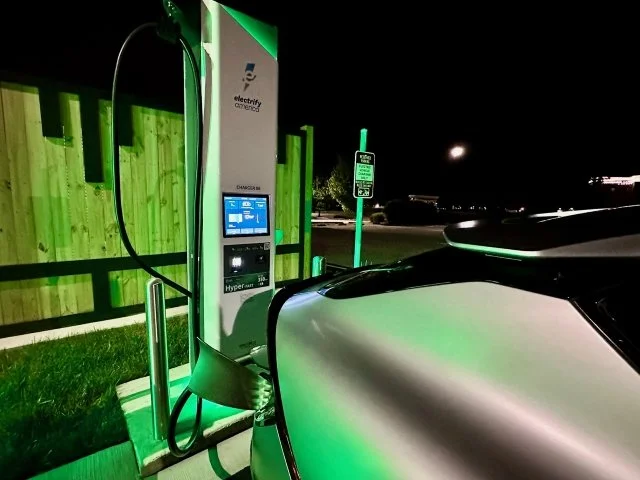
Once in Astoria, getting around was equally simple. An Electrify America station south of town, just off Highway 101, made charging easy for exploring downtown, the waterfront, and Astoria’s historic neighborhoods.
Astoria may have first landed on my radar because of a movie, but it earned its place as a destination rich in scenery, history, and character; well worth every mile it took to get there.
Time to Regen: SightSeeEV.com may earn a small commission if you buy through Amazon or other affiliate links—at no extra cost to you. We only recommend products we trust and use ourselves. Thanks for helping fuel our EV adventures!⚡️
Charm and History at the Mouth of the Columbia River
Astoria sits where the Columbia River meets the Pacific Ocean, and that convergence defines the town. Riverfront industry, open ocean, and steep forested hills come together in a setting that feels purpose‑built for exploration.
Astoria rewards unhurried travel. Maritime history, elevated viewpoints, and a working coastal culture coexist naturally, creating an experience that feels authentic rather than manufactured.
The coastal weather made settling into the rhythm easy. Crisp mornings were ideal for coffee on the deck, daytime temperatures stayed comfortable for short scenic drives and beach walks, and cool evenings made extra blankets welcome. Falling asleep to distant sea lions barking along the river was a reminder that nature stays close here.
With two days to roam, we focused on classic highlights while leaving plenty unexplored. Astoria works well as a central base; most destinations are an easy drive.
Tall bridges span the Columbia River, connecting Astoria to historic forts and quiet beaches in Washington State and in the other direction, iconic stretches of the Oregon Coast are just as accessible, many less than an hour away.
Closer to town, the riverfront offers a compact mix of shops, museums, and restaurants, all easy to reach from anywhere in Astoria.
One afternoon took us uphill to the Astoria Column. The 125‑foot climb delivers uninterrupted views of river, forest, and ocean and just enough vertigo along the railing to make the scenery memorable.
By the end of the second day, it was clear this wouldn’t be our last visit.
Astoria feels like a natural waypoint on longer EV‑friendly routes, perhaps the next visit becomes part of a wider loop north to Seattle and east through the Cascade Mountains.
A panoramic view of Astoria, Oregon located on the banks of the Columbia River.
Amp’d Advice: After leaving Portland, Oregon we drove Interstate 5 north into Washington State and then west on US Highway 30 into Astoria. This beautiful winding route provided easy driving after the hustle of Interstate 80.
Astoria Sights and Landmarks
Columns, Museums, and a Touch of Movie Magic
One of Astoria’s most recognizable landmarks is the Astoria Column. Dedicated in 1926 by the Great Northern Railway, the tower stands as a tribute to the region’s early riverside settlers and remains a useful orientation point while exploring town.
We visited twice, once during the day and again after dark, and the contrast made it feel like two separate experiences.
Astoria Column, Astoria Oregon
Climbing the 164‑step spiral staircase in daylight rewarded us with sweeping views of the Columbia River, surrounding forests, and the town below.
From the observation deck, balsam wood gliders (available in the gift shop) floated gently down to the parking lot and nearby bushes, where they were later retrieved by hopeful pilots.
It’s a simple tradition that adds a sense of motion and play to the stop.
That evening, we returned after sunset.
As the column shifted through soft color changes, Astoria’s lights reflected off the Columbia River below, creating a calm, almost meditative scene that encouraged lingering rather than rushing on.
Earlier in the day, we spent a few hours at the Columbia River Maritime Museum.
Located right on the river, the museum offers a well‑curated look at the region’s working maritime history and pairs naturally with time spent along the waterfront.
Nearby, we also made a quick stop at the Goonies house, a lighthearted detour that’s easy to fit into a day of exploring and still draws fans decades later.
Each stop added a different layer to our visit, reinforcing the sense that Astoria is best experienced at a measured pace, with time to take in both its history and its setting.
Amp’d Advice: Be sure to bring clothes for warm days and cool nights. Our mid-western blood was not thick enough for the chilly evening temperatures. We have learned to always carry the Honeywell 360 Degree Surround Fan Forced Heater to quickly warm a room.
State Parks & Coastal Adventures
From Shipwrecks to Historic Forts
The Peter Iredale shipwreck, Fort Stevens State Park, Oregon
Day two began with a short drive north, crossing the Highway 101 bridge into Washington State to explore Cape Disappointment State Park. The name may suggest otherwise, but the park delivers with coastal headlands, open ocean views, and a strong sense of history centered around Fort Canby.
The drive itself was part of the appeal. Curving roads and frequent viewpoints made it easy to slow down, and walking the grounds of the historic fort offered perspective on the area’s long‑standing strategic role at the mouth of the Columbia River.
Back on the Oregon side, Fort Stevens State Park quickly became a favorite stop. Wide sandy beaches stretch along the shoreline, backed by remnants of military history that give the landscape an added sense of scale.
We took time to visit the park’s museum, which provides a thoughtful overview of the fort’s past, with artifacts dating back to the U.S. Civil War. It’s well worth the stop and adds helpful context before heading out to explore the grounds.
From there, ocean winds guided us toward the remains of the Peter Iredale shipwreck. Stranded by wind and tide in 1906, the ship’s wooden skeleton still rests on the beach.
Standing beside it, it’s hard not to imagine the journey from England and to be reminded just how hazardous the Columbia River bar has been for generations of shipping.
On the return to Astoria, a wrong turn led to an unexpectedly scenic detour. Tree‑lined roads eventually carried us back toward Highway 101, guided less by navigation and more by instinct, the ocean to the right, the highway somewhere to the left.
Passing the Electrify America station south of town, we topped off the battery in preparation for the next day’s drive along the Oregon Coast, another reminder of how effortlessly EV travel fits into this region.
The day ended back at the Airbnb, cooking dinner and watching the sun set over the Columbia River.
As the light faded, it was easy to understand why so many travelers fall in love with this stretch of the Pacific Northwest, and why Astoria makes such a natural place to slow down and stay awhile.
Every EV trip starts with PlugShare to research destinations and charging options.
Once we’ve chosen a destination, I verify which charging providers are available along the route. Then read the reviews for reliability and tips on the best pedestals, nearby amenities, and even hidden chargers. Cheryl adds a nostalgic twist by marking those stations on a paper atlas, giving us a colorful snapshot of the route.
Blending digital tools with old-school mapping makes planning quick, stress-free, and a little adventurous. Read this article to see how this combo keeps our road trips smooth and fun!
Birds Eye Review
An EV Trip Worth Repeating on the Oregon Coast
The Walsh Family Residence from the 1985 Goonies movie
Astoria arrived for us as the natural payoff to a long, westbound road trip; where days of open highway gave way to river, forest, and ocean.
What began as a movie‑inspired curiosity quickly became an experience defined by history, scenery, and an unhurried pace that encouraged lingering.
From the drive along the Columbia River to evenings watching light fade across the water, Astoria proved to be a place where movement and stillness coexist.
Short, scenic drives connected forts, beaches, bridges, and viewpoints, while the town itself remained easy to navigate and comfortable to settle into.
Traveling by EV fit seamlessly into the experience.
Reliable charging along the route and in town removed friction from the journey, allowing the focus to remain on the road, the landscape, and the destinations ahead rather than logistics.
Astoria worked not just as a destination, but as a flexible base for exploring both the Oregon and Washington coasts.
More than anything, the area rewarded slowing down. Whether climbing the Astoria Column for a different perspective, standing beside the weathered remains of the Peter Iredale, or ending the day with a quiet sunset over the Columbia River.
Astoria may have first caught my attention through a movie, but it earned its place as the kind of stop that reshapes a road trip.
It’s a reminder that some destinations aren’t about rushing through, they’re about arriving, charging up, and giving yourself time to explore at the speed that feels right.

An avid runner, John’s fascination with electric vehicles began the day he left a 1970s Citicar in the dust.
Since then, he’s worked to educate readers that EVs aren’t futuristic novelties—they’re simply cars powered by an alternative energy source.
His favorite way to experience it? Road-tripping along the Great American Electric Highway, where the miles turn into opportunities to visit family, reconnect with friends, and soak in the country’s scenic beauty.
When John isn’t writing about EV adventures, running in new places, or exploring new destinations, you’ll probably find him catching a well-earned nap before the next journey begins.
EV Basics

EV Charging


EV Essentials

EV Road Trip Planning



After buying an electric car, the most important steps are learning how to charge at home, becoming familiar with public charging stations, understanding how weather affects range, improving driving efficiency, and gradually taking longer trips. These skills help new EV owners build confidence and enjoy their vehicle's full capabilities.